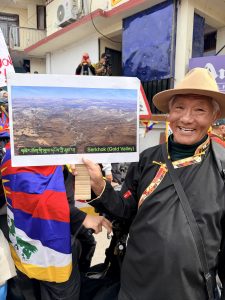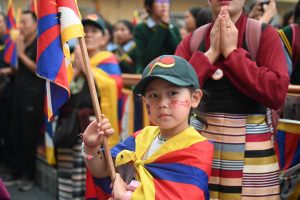
DHARAMSHALA – On March 10, 2026, the Central Tibetan Administration (CTA) formally commemorated the 67th anniversary of the Tibetan National Uprising Day at the Thekchen Choeling Tsuglakhang. The event served as both a somber remembrance of the 1959 resistance in Lhasa and a celebration of the enduring spirit of the Tibetan people.
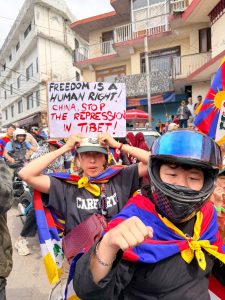
Thousands of Tibetan youth protesting in Dharamsala, India today commemorating their national uprising day
Global Leaders Gather in Solidarity
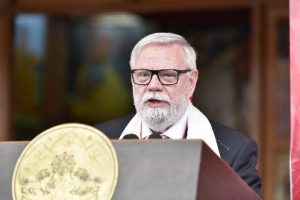
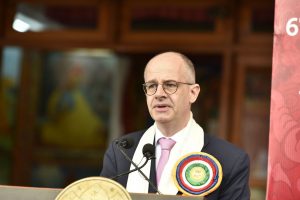
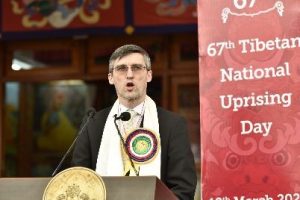
The ceremony was attended by a high-level international delegation, underscoring the global importance of the Tibetan cause. The Chief Guests included:
-
Prof. Dr. Hans-Gert Pöttering, former President of the European Parliament.
-
Senator Jiří Oberfalzer, Vice-President of the Czech Senate.
-
Honourable MP Michael Brand, German Parliamentary State Secretary.
![]()
![]()
![]() They were joined by a diverse group of special guests, including Brian Joseph (Vice President of the National Endowment for Democracy), prominent Australian journalist Cheng Lei, and Shri Rinchen Khando Khrimey (National Convenor of the Core Group for Tibetan Cause–India). Other international representatives from Italy, Germany, Latvia, and the Czech Republic also stood in attendance, signaling a unified European and global voice for human rights.
They were joined by a diverse group of special guests, including Brian Joseph (Vice President of the National Endowment for Democracy), prominent Australian journalist Cheng Lei, and Shri Rinchen Khando Khrimey (National Convenor of the Core Group for Tibetan Cause–India). Other international representatives from Italy, Germany, Latvia, and the Czech Republic also stood in attendance, signaling a unified European and global voice for human rights.
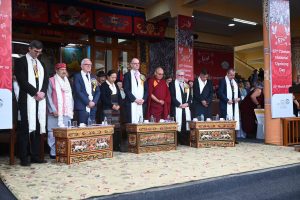
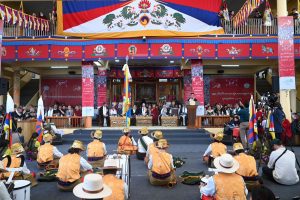
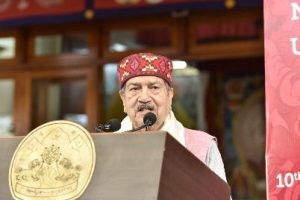 They were joined by a diverse group of special guests, including Brian Joseph (Vice President of the National Endowment for Democracy), prominent Australian journalist Cheng Lei, and Shri Rinchen Khando Khrimey (National Convenor of the Core Group for Tibetan Cause–India). Other international representatives from Italy, Germany, Latvia, and the Czech Republic also stood in attendance, signaling a unified European and global voice for human rights.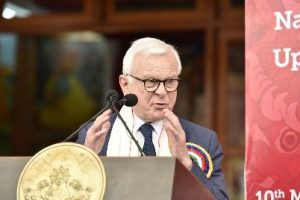
![]() Preserving History and Truth
Preserving History and Truth
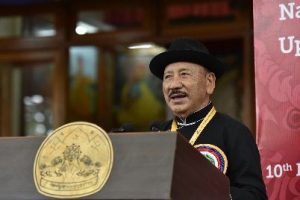 Preserving History and Truth
In a significant highlight of the event, the Sikyong (President of the CTA) launched a new publication titled “A Chronicle of Tibet’s Foreign Relations and Policy (7th–21st Century).” Published in the Tibetan language by the Department of Information and International Relations, this work aims to document Tibet’s historical status as an independent entity and its diplomatic evolution over 1,400 years.
The official gathering concluded with the moving recitation of the Prayer of Truth (Dentsig Monlam), a prayer for justice and peace composed by His Holiness the Dalai Lama, before the crowds departed for a traditional peace march through the streets of Dharamshala.
India: A Guardian of the Nalanda Tradition
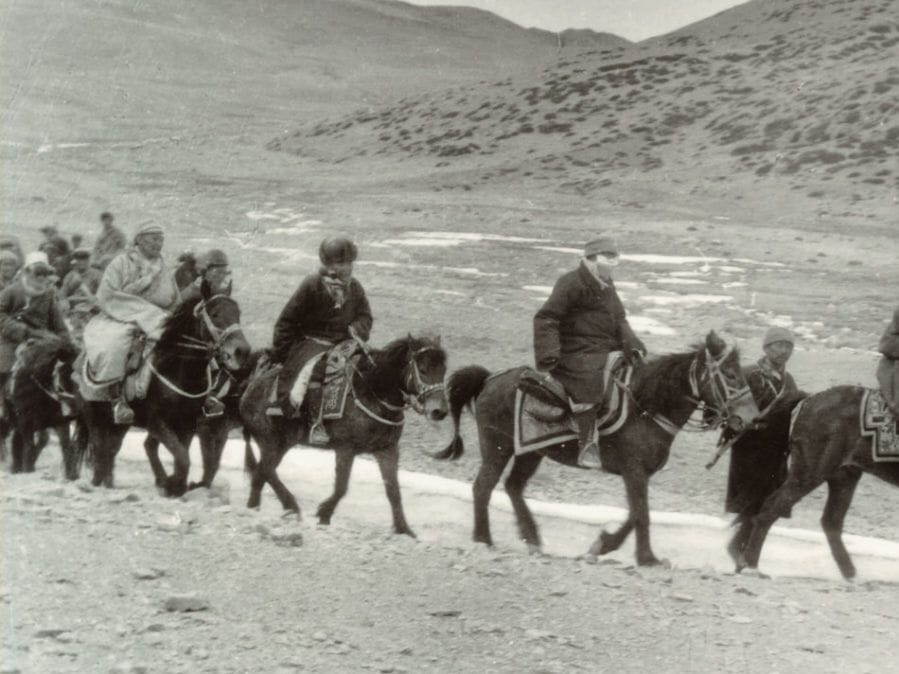
The preservation of such scholarly works is only possible because of the sanctuary provided by India. Following the 1959 uprising, India became home to His Holiness and lakhs of Tibetan refugees.
When the People’s Republic of China (PRC) armies began the systematic burning of monasteries in Lhasa, the 80,000 Tibetans who fled to India carried with them thousands of sacred Buddhist texts.
![]() Because these texts were rescued from the fires of the occupation, Buddhist scholars worldwide—including those in Sri Lanka—continue to use these original sources for vital research today.
Because these texts were rescued from the fires of the occupation, Buddhist scholars worldwide—including those in Sri Lanka—continue to use these original sources for vital research today.
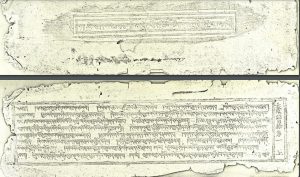 Because these texts were rescued from the fires of the occupation, Buddhist scholars worldwide—including those in Sri Lanka—continue to use these original sources for vital research today.
A Shared Bond with Sri Lanka
For the Sri Lankan community, this anniversary is a reminder of our shared Buddhist heritage.
-
The Sacred Thread: Just as Sri Lanka has historically safeguarded the Pali Canon, the Tibetan diaspora has ensured the survival of the Sanskrit and Tibetan traditions.
-
The Middle Path: The Tibetan struggle remains a testament to the power of non-violence (Ahimsa), reflecting the core values of the Dhamma.