
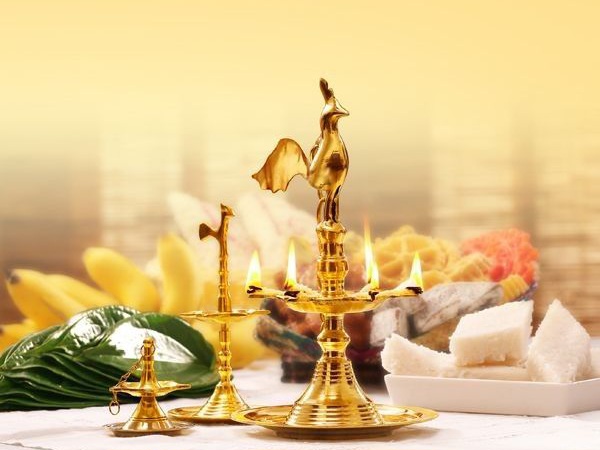
As the sun transitions from the Meena Rashi (Pisces) to the Mesha Rashi (Aries), it marks more than just a seasonal shift in the calendar. For millions across Asia, this cosmic movement—the Sankranti—signifies a spiritual and cultural rebirth. In Sri Lanka, we celebrate the Sinhala and Tamil New Year (Aluth Avurudda), yet this “Dawn of the Sun” is a golden thread that weaves together the tapestries of many nations, revealing a profound civilizational unity.
A Festival of Astrological Precision
The Solar New Year is rooted in ancient wisdom and rigorous astrological calculations. Unlike the fixed date of the Gregorian calendar, this festival celebrates the Sidereal Vernal Equinox. It is a moment of cosmic transition that reminds us of our deep alignment with the rhythms of the universe and the natural environment. It is a time when the earth, the sun, and human consciousness meet in a synchronized rhythm of renewal.
The Many Names of the One Sun
While the heartbeat of the festival is universal, its expressions are beautifully diverse. Across the Palk Strait, our neighbors in India welcome the season with vibrant local traditions. In Punjab, it is celebrated as Baisakhi, a massive harvest festival marked by the rhythmic beats of the Bhangra. In Kerala, the festival of Vishu focuses on the Vishukkani—the practice of viewing auspicious objects first thing in the morning to ensure a year of prosperity. Meanwhile, in Tamil Nadu, Puthandu is observed with the preparation of “Manga-Pachadi,” a symbolic dish combining sweet, sour, and bitter flavors to represent the varied experiences of life. Further east in Assam, the week-long Bohag Bihu fills the air with music and dance in honor of the elders and the land.
This cultural resonance extends deep into Southeast Asia, where the Sanskrit Sankranti transformed into the joyous Songkran in Thailand and Thingyan in Myanmar. In these nations, as well as in Laos (Pi Mai) and Cambodia (Chaul Chnam Thmey), the festival is defined by the ceremonial cleansing of Buddha statues and the playful splashing of water—symbolizing the washing away of past misfortunes and the purification of the spirit for the year ahead.
Deep Civilizational Bonds
The observance of the Solar New Year across these borders is a testament to the enduring historical and philosophical bonds of Asia. Whether it is through shared linguistic roots or the common practice of seeking blessings from the Maha Sangha and parents, this festival acts as a “Dhamma Bridge.” It reminds us that despite modern political borders, we are united by a historical consciousness that values reconciliation, gratitude for the harvest, and the sanctity of the family unit.
A Call for Unity
As we light the hearth in our homes and exchange the traditional sheaf of betel leaves, let us remember our brothers and sisters across the continent who are performing their own sacred rituals under the same sun. In an increasingly fragmented world, the Solar New Year serves as a powerful reminder of our collective identity. It is a time to look beyond our shores and appreciate the timeless wisdom of our ancestors that continues to guide our shared human journey.
May this new year bring peace, prosperity, and a deeper understanding to all.
©️Satipatthana Magazine